
March 2026 Balance Transfer Credit Cards: Longest 0 % APR Windows and Lowest Fees
The average credit card now charges 22.8 % APR, the highest level since the Federal Reserve began tracking the series in 1994. A disciplined borrower who moves $6,000 of high-interest debt to the right 0 % balance-transfer product and pays $343 a month can retire that balance in 18 months for an upfront fee of roughly $180—about $1,670 less than the interest that would accrue on a typical card.
Cards With the Longest 0 % Windows—Up to 24 Months
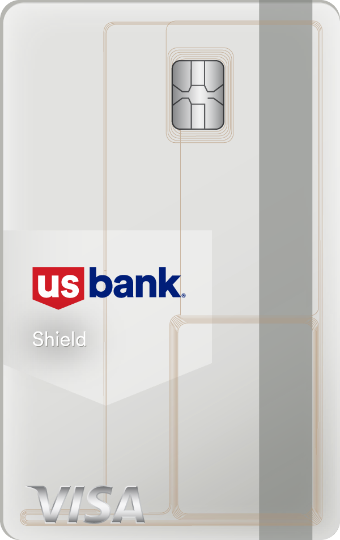
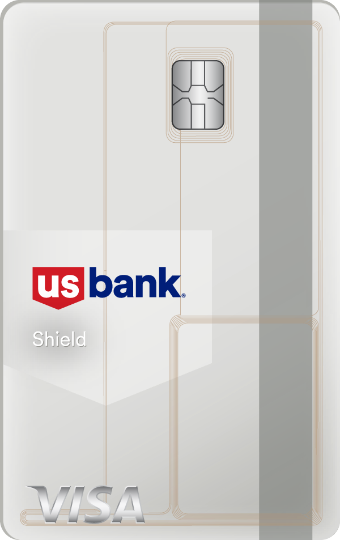
U.S. Bank Shield™ Visa® leads the field by offering 0 % APR on purchases and on balance transfers completed within the first 60 days for a full 24 billing cycles. The trade-off is a 5 % transfer fee ($5 minimum), the steepest on the 2026 roster. After month 24 the variable APR snaps to 17.99 %–27.99 %, still below the national mean for consumers with FICO scores above 720.
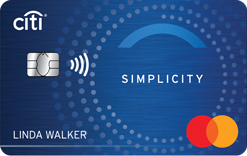
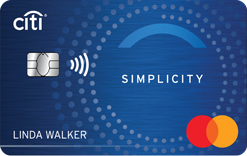
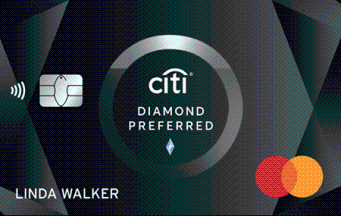
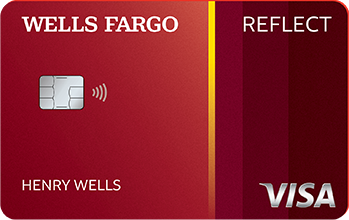
Citi Simplicity® follows at 21 months with a 3 % fee and no late-payment or penalty-rate language, a safety net for households with irregular cash flow. Citi Diamond Preferred® also gives 21 months but raises the fee to 5 %. Wells Fargo Reflect® Visa® matches the 21-month window and lowers the fee to 3 %, yet applicants must finish the transfer within 120 days instead of Simplicity’s 4-month cut-off.
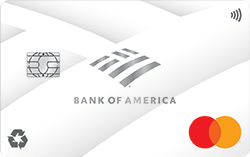
BankAmericard® Credit Card yields 18 billing cycles at 0 % and a 3 % fee if the transfer posts within 60 days of opening. Its post-promo APR starts at 15.74 % variable—among the lowest reversion rates available—making the product attractive to users who may still owe a residual balance when the clock expires.
Flat-Cash-Back Cards That Double as Transfer Tools
Citi Double Cash® provides 18 months of 0 % interest on transfers made in the first four months and then pays an effective 2 % on every purchase—1 % when the sale posts and 1 % when the bill is paid. The card therefore keeps utility after the debt is gone, something “pure transfer” plastics rarely do. The same 3 %/$5 transfer fee applies.
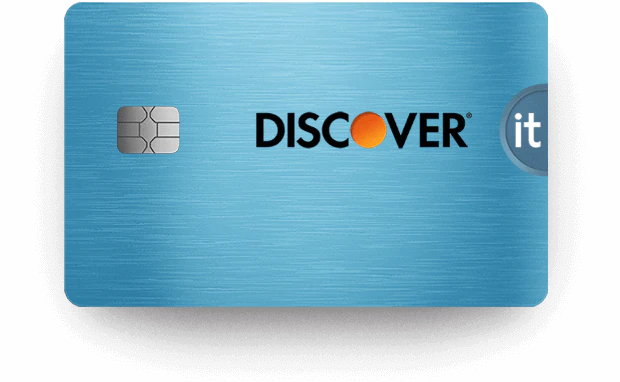
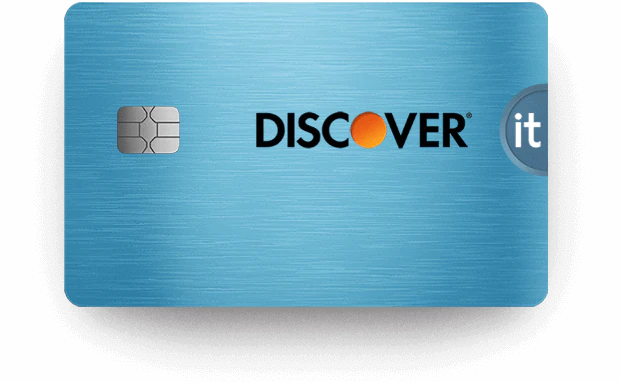
Discover it® Cash Back gives 15 months at 0 % and rotates 5 % categories such as grocery stores, gas stations, or streaming services each quarter. New cardholders receive an uncapped dollar-for-dollar match of all cash back earned during the first 12 months, essentially doubling the yield to 10 % in the bonus categories and 2 % elsewhere. The transfer must be initiated within the first three months to secure the 0 % rate and 3 % fee.
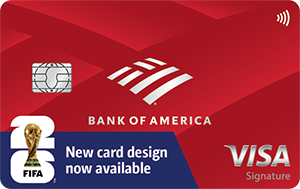
Bank of America® Customized Cash Rewards dangles 15 billing cycles at 0 % on transfers executed within 60 days. Users pick one 3 % category—gas, online shopping, dining, travel, drug stores, or home-improvement stores—and automatically earn 2 % at wholesale clubs and grocery chains on the first $2,500 of combined quarterly spending. A $200 online bonus is available after $1,000 of purchases in the first 90 days, effectively offsetting the 3 % balance-transfer fee on up to $6,666 of debt.
No-Annual-Fee Options for Conservative Spenders
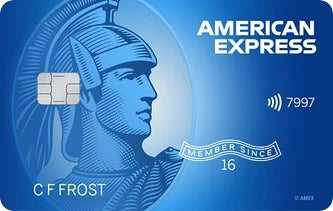
American Express Blue Cash Everyday® carries no annual fee and grants 15 months of 0 % APR on both purchases and transfers with a 3 %/$5 fee. Ongoing rewards include 3 % at U.S. supermarkets, U.S. gas stations, and U.S. online retail purchases (each capped at $6,000 per calendar year, then 1 %). Because Amex prohibits transfers from existing Amex accounts, the card is best suited for people who carry higher-rate Visa or Mastercard debt.
Citi Simplicity® and BankAmericard® likewise waive yearly charges, so consumers who pay off balances in full during the promo period never owe the issuer a dime beyond the one-time transfer fee.
How Issuers Treat Transfer Windows and Fees in 2026
Promotional windows now start only when the account is opened, not when the first transfer posts. That means a 21-month offer ticks down even if the borrower waits four months to move the balance. Every card on the 2026 roster also imposes a minimum transfer fee—typically $5—even on small balances, so moving $300 still costs $9 on a 3 % card instead of the mathematically correct $9.
After the deadline, fees usually jump one percentage point: BankAmericard® shifts from 3 % to 4 % after day 60; Citi products rise from 3 % to 5 % after month 4. Penalty pricing has largely disappeared among major issuers, yet a single 30-day-late payment on any of these cards can forfeit the 0 % rate and trigger a variable APR that immediately approaches 30 %.
Real-World Savings: Running the Numbers on a $9,500 Balance
Federal Reserve data peg the average household card debt at $9,480. Assume that balance compounds at 22 % with the borrower affording $400 a month. Without a transfer, the debt survives 31 months and accumulates $2,990 in interest. Moving the entire tab to Citi Simplicity® costs a $285 fee (3 %) and, if the $400 payment continues, the balance disappears in 24 months with no interest at all. Net savings equal $2,705, even after the upfront charge.
A household that can manage only $275 a month would still wipe out $6,600 of principal during the 21-month Citi runway. The remaining $2,900 begins accruing interest at 18.99 %, yet the total finance charge is under $210—roughly $2,780 less than the status quo.
Credit-Score Thresholds and Approval Realities
Issuers typically reserve the longest 0 % offers for consumers with FICO scores of 720 or higher. Data from Experian show that 59 % of applicants in the 740–799 band were approved for the U.S. Bank Shield™ 24-month product in the final quarter of 2025, while only 27 % of those between 670–739 received the same terms; the latter group was often counter-offered a 12-month promo or an APR that started at 21 %.
Utilization ratio plays an equally decisive role. A candidate with an 800 FICO but $35,000 in existing revolving balances across $40,000 of limits may still be declined because the new card would push combined utilization past 90 %. Conversely, a 695 FICO applicant who carries $4,000 on $20,000 of limits can be approved if income documentation supports the planned payoff schedule.
Six Moves to Safeguard the 0 % Window
- Automate at least the minimum payment within five days of the statement date; on most cards any late payment voids the promotional APR the same day.
- Disable autopay for the old card only after the transfer posts and the issuer confirms a zero balance; otherwise residual interest or late fees can reappear.
- Divide the transferred amount by the number of promo months minus one, then round up to the nearest $25; the cushion ensures the balance expires one cycle early and absorbs any surprise fee.
- Refrain from new retail spending on the transfer card unless you can pay it in full each month; purchase APRs are not always set at 0 % even when transfers are.
- Keep the old account open if there is no annual fee; closing it slashes available credit and spikes utilization, which can drop a FICO score 25–40 points overnight.
- Schedule a calendar alert 60 days before the promo ends; if a balance remains, consider a second transfer or a low-rate personal loan before the revert APR applies.
Alternatives When a Transfer Offer Falls Through
Credit-union-sponsored personal loans averaged 10.9 % APR in February 2026, according to the National Credit Union Administration. A five-year, $10,000 loan at that rate costs about $217 a month and accrues $3,020 in interest—still cheaper than leaving the debt on a 22 % card making only minimum payments. Borrowers with sub-700 scores can turn to secured loans or 401(k) loans, though both entail collateral or retirement-plan risk.
Nonprofit credit-counseling agencies can enroll consumers in debt-management plans that slash existing APRs to 6 %–8 % across all cards, but participants must close the accounts and forgo new credit for up to five years.
Useful Resources
- Consumer Financial Protection Bureau: Download the “Paying Off Credit Card Debt” worksheet to build a month-by-month calendar tied to any intro period.
- AnnualCreditReport.com: Claim free weekly Equifax, Experian, and TransUnion reports required for pre-qualification screening.
- Experian Boost: Add utility and streaming payments to thicken your credit file before applying for premium 0 % offers.
- Bankrate Credit Card Payoff Calculator: Enter balance, APR, and monthly payment to compare transfer savings side-by-side with the status quo.
- National Foundation for Credit Counseling: Speak with an accredited counselor if balances exceed 40 % of annual income or approval odds appear slim.

Comments