
Pulling money from a 401(k) or IRA before age 59½ can erase up to half of the withdrawal in combined federal tax, state tax, and a 10 percent IRS surcharge, a bite that most savers underestimate until the bill arrives.
Early-Withdrawal Math: $10,000 Costs Up to $4,400
A $10,000 premature distribution from a traditional IRA illustrates the damage. The IRS treats every dollar as ordinary income, so a single filer in the 22 % bracket owes $2,200 right away. Add the 10 % early-withdrawal penalty—another $1,000—plus a typical 5 % state income tax ($500) and the saver keeps only $5,300. Jump to the 32 % federal bracket and the net proceeds fall below $5,600, a forfeiture that compounds when the same dollars can no longer grow tax-deferred. Critics argue the sticker shock is even worse for Californians, where a 13.3 % top marginal rate can push the combined haircut past 50 %.
Traditional vs. Roth: Two Timelines, Two Tax Results
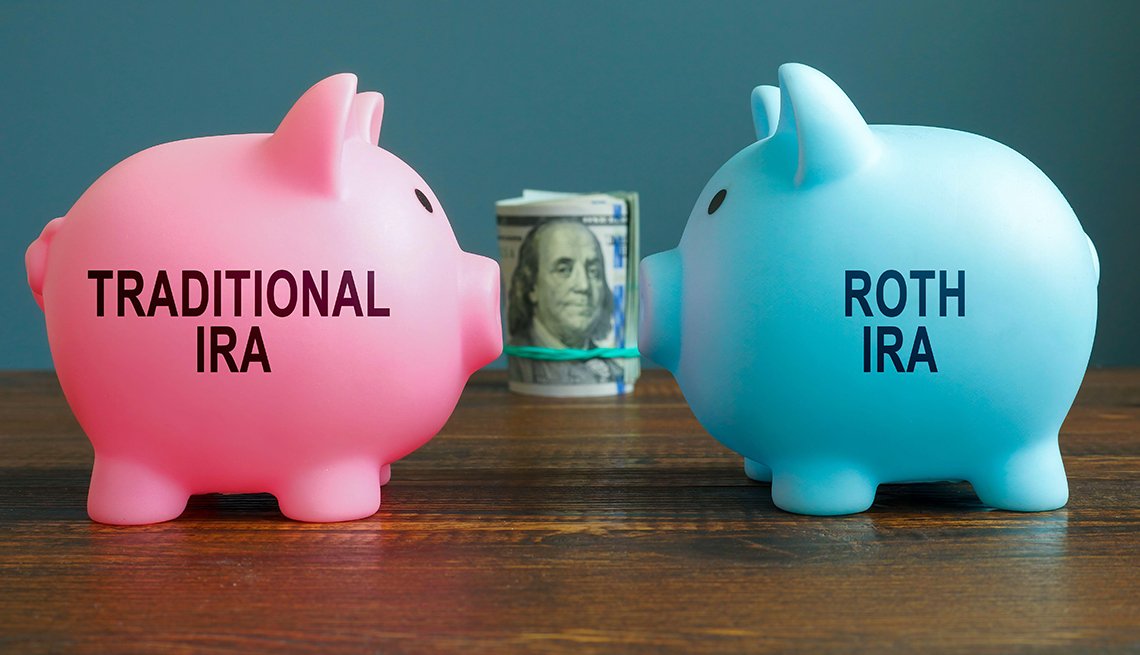
Congress wrote mirror-image rules for pretax and after-tax retirement buckets. Traditional 401(k) and IRA balances are funded with pre-tax contributions, so every withdrawal—early or late—triggers ordinary-income tax. Roth accounts flip the sequence: contributions are made with after-tax dollars, and all future growth and withdrawals escape tax provided the account has been open five years and the owner is at least 59½. Mis-time either condition and the earnings portion of a Roth distribution becomes taxable plus the 10 % penalty, erasing the key advantage savers thought they locked in. In Denver, for instance, a couple who converted $40,000 during the 2020 downturn is now waiting out the fifth taxable year so they can tap the principal for a home addition—without triggering the surcharge.
IRS Escape Hatches That Bypass the 10 % Surcharge
The tax code lists a dozen exceptions that let owners touch retirement cash before retirement age without the extra surcharge. Medical premiums paid while unemployed, unreimbursed medical expenses above 7.5 % of adjusted gross income, permanent disability, qualified birth or adoption costs (up to $5,000), and withdrawals by military reservists called to active duty all sidestep the penalty. First-time homebuyers can pull $10,000 from an IRA—though not a 401(k)—and students can fund tuition, books, or room and board penalty-free, although ordinary income tax still applies to traditional-account dollars. Meanwhile, the move raises questions: many taxpayers forget to file Form 5329 to claim the exception, so the IRS automatically assesses the 10 % and forces them to hard for a refund later.
401(k) Loans and Rule-of-55 Offer Safer Liquidity
Work-plan participants often have an extra option: borrowing up to 50 % of the vested balance, capped at $50,000, and repaying themselves with interest over five years. Leave the company with an outstanding loan and the balance converts to a taxable distribution, but stay employed and the money returns to the account with no tax or penalty. Workers who separate from service in the year they turn 55 or later can withdraw directly from the employer plan penalty-free under the “Rule of 55,” a provision that does not extend to IRAs. Planners routinely roll only the amount needed for near-term spending into the employer plan before separation to preserve this window. Unexpectedly, the strategy has gained traction among tech workers accepting voluntary buy-outs at age 54: they defer the payout until January so the departure year lines up with the rule.
Roth Conversion Ladders: Turning Penalty Risk Into Tax-Free Income
Aggressive early-retirement bloggers tout a multiyear Roth conversion pipeline: move traditional IRA assets to a Roth, pay tax at today's rate, wait five tax years, then withdraw the converted principal penalty-free and tax-free. The strategy works only for households that can fund living costs from taxable savings while the five-year clocks run, yet it has moved from niche forums into mainstream advisory decks since IRS Publication 590-B confirmed the maneuver in 2014. Market volatility adds a twist—converting in a downturn slashes the upfront tax bill and allows a larger future tax-free base when equities recover. Separately, accountants warn that each annual conversion must be tracked by tax year; mixing them can scramble the ordering rules and accidentally resurrect the 10 % hit.
State Tax Traps and Withholding Shortfalls
Thirteen states—including Florida, Texas, and Nevada—skip income tax on retirement distributions, but the remaining 37 apply brackets as high as 13.3 % (California) or 10.75 % (New Jersey). Custodians withhold a flat 10 % federal on IRA payouts unless the owner overrides the default, creating surprise balances due in April. Early withdrawals also inflate adjusted gross income, which can trigger stealth taxes such as higher Medicare premiums or loss of the Earned Income Credit. CPAs often recommend increasing quarterly estimates or W-4 withholdings the same year a distribution occurs to avoid underpayment penalties that compound the original 10 % surcharge. In related developments, some states now piggy-back on the federal penalty and tack on their own early-distribution surcharges, doubling the paperwork headache.
Action Steps
- Map current cash needs against the list of penalty-free exceptions before touching any retirement account.
- Model the combined federal, state, and 10 % penalty cost using your actual marginal brackets, not ballpark percentages.
- Compare a 401(k) loan or Rule-of-55 withdrawal to an IRA distribution if you are still employed or recently separated.
- Build a five-year Roth conversion ladder only if you have taxable assets to live on during the waiting period.
- Adjust withholding or estimated payments within 30 days of any early distribution to avoid a second-round tax surprise.





Comments