

Best balance transfer cards for March 2026
Best for regular spending
Rates & fees, terms applyLearn more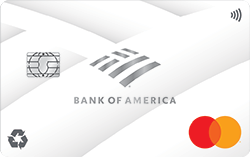
BankAmericard® Credit Card
Best for low ongoing APR
Best for flat rewards
Learn more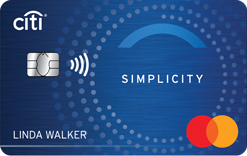
Best for no fees or penalties
Learn more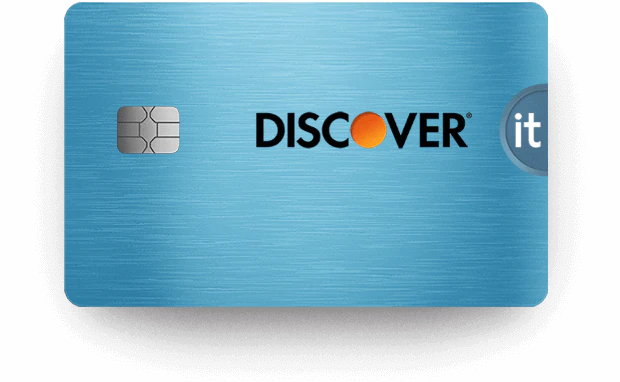
Best for rotating rewards
Learn more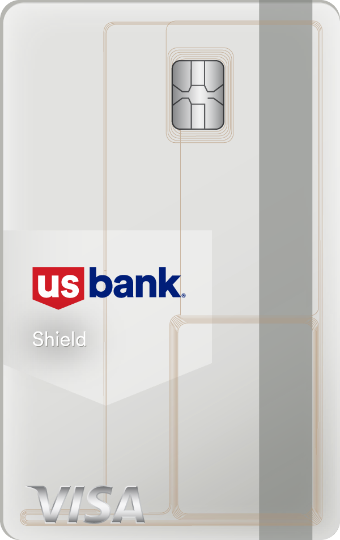
Best for long intro period
Learn moreBank of America® Customized Cash Rewards credit card: Best for choice rewards
- Annual fee$0
- Welcome offer$200 online cash rewards bonus after you make at least $1,000 in purchases in the first 90 days of account opening.
- Introductory APR0% intro APR for your first 15 billing cycles for purchases, and for any balance transfers made within the first 60 days of opening your account (variable APR applies intro APR ends; see issuer site for current APR)
- Purchase APRSee issuer site for current APR
- Rewards rate
- 3% cash back + 3% first-year cash back bonus in the category of your choice*
- 2% cash back at grocery stores and wholesale clubs
- Unlimited 1% cash back on all other purchases
- *Earn 6% and 2% cash back on the first $2,500 in combined purchases each quarter in the choice category, and at grocery stores and wholesale clubs (unlimited 1% after that); after the 3% first-year bonus offer ends, you will earn 3% and 2% cash back on these purchases up to the quarterly maximum
- Benefits
- Choose which category you want to earn 6% cash back in for the first year: gas and EV charging stations; online shopping, including cable, internet, phone plans and streaming; dining; travel; drug stores and pharmacies; or home improvement and furnishings
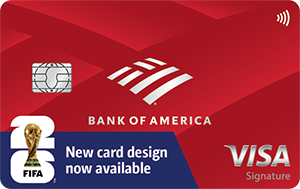
Why we like it:The Bank of America Customized Cash Rewards credit card is primarily a rewards cards, but you can also use it to pay off existing debt. If you transfer your balance within the first 60 days of account opening, you can take advantage of the introductory 0% APR period and pay down your balance over several months. There’s also a 3% balance transfer fee for the first 60 days, which increases to 4% after.
After you pay down your balance transfer, start earning cash back on your spending with the Customized Cash Rewards card. Get 3% back in the category of your choice and 2% back at grocery stores and wholesale clubs (up to a combined $2,500 spent per quarter). You can change your choice category monthly, and choose between online shopping, dining, travel, gas and EV charging stations, and more.
Read our full review of the Bank of America Customized Cash Rewards credit card
BankAmericard® Credit Card: Best for low ongoing APR
BankAmericard® Credit Card
- Annual fee$0
- Introductory APR0% intro APR on purchases and on balance transfers made within 60 days of account opening for the first 18 billing cycles, then a standard variable APR; see issuer site for current APR
- Purchase APRSee issuer site for current APR
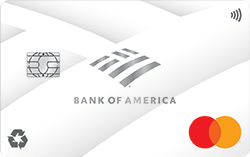
Why we like it:If you’re looking to pay off a debt balance, BankAmericard has the ideal combination of a long introductory 0% APR and relatively low ongoing APR. You’ll have plenty of time after opening to pay down any balances you transfer within 60 days, and the balance transfer fee is 3% within those first 60 days; after that it goes up to 4%.
Once the intro period ends, you’ll accrue interest on any remaining balance, but the BankAmericard has a much lower APR than you’ll find from many credit cards today. There’s also no penalty APR. While you should always make your credit card payment on time (especially while carrying a balance), paying late or having a payment returned won’t automatically increase your BankAmericard APR.
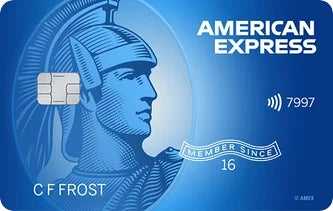
Blue Cash Everyday® Card from American Express: Best for regular spending
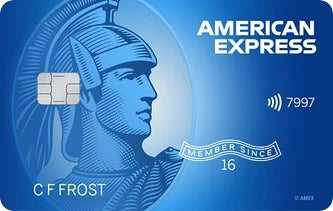
- Annual fee$0
- Welcome offerEarn as high as $200 cash back after spending $2,000 within the first 6 months (welcome offers vary and you may not be eligible for an offer; cash back is received as Reward Dollars, redeemable for statement credit or at amazon.com checkout)
- Introductory Purchases APR0% on purchases for 15 months
- Ongoing Purchases APR19.49%-28.49% Variable
- Introductory Balance Transfer APR0% on balance transfers for 15 months
- Ongoing Balance Transfer APR19.49%-28.49% Variable
Why we like it:The Blue Cash Everyday from American Express is one of our favorite cash-back credit cards today, and it’s also useful for paying down existing credit card debt. You’ll get a solid introductory 0% APR on balance transfers and a balance transfer fee of 3% ($5 minimum; see rates & fees).
You may not want to charge more to your card while you pay down your balance transfer, but as long as you can avoid overspending and taking on more debt, you’ll save money long after the intro period with this card’s rewards. The Blue Cash Everyday earns 3% cash back at U.S. supermarkets, U.S. gas stations, and on U.S. online retail purchases, each up to $6,000 spent per year, then 1% back (and 1% cash back on everything else).
Read our full review of the Blue Cash Everyday Card from American Express
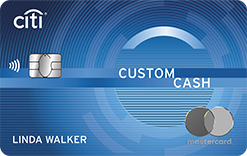
Citi Double Cash® Card: Best for flat rewards
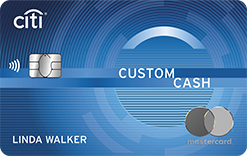
- Annual fee$0
- Welcome offerEarn $200 in cash back after spending $1,500 on purchases in the first 6 months (bonus offer will be fulfilled as 20,000 ThankYou® points, which can be redeemed for $200 cash back)
- Introductory APR0% intro APR on balance transfers for the first 18 months
- Purchase APRSee issuer site for current APR
- Rewards rate
- 5% cash back on purchases in your top eligible spend category each billing cycle (up to the first $500 spent, 1% cash back after that)
- 4% cash back on hotels, car rentals, and attractions booked on Citi Travel℠
- 1% unlimited cash back on all other purchases
Why we like it:The Citi Double Cash Card is an excellent balance transfer option that also has long-term rewards value. You can enjoy a long 0% intro APR period with an intro balance transfer fee of 3% ($5 minimum) when you make your transfer within the first four months.
As for rewards, you’ll earn a flat 2% cash back on every purchase: 1% when you make the purchase and 1% when you pay it off. We like that this structure can add some extra incentive to avoid carrying a balance once you’ve paid down your debt, since you won’t earn the total cash rewards until you pay in full.
Read our full Citi Double Cash Card review
Citi Simplicity® Credit Card: Best for no fees or penalties
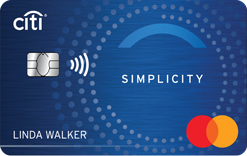
- Annual fee$0
- Introductory APR0% intro APR on new purchases for 12 months and balance transfers for 21 months (issuer's standard variable APR applies after that)
- Purchase APRSee issuer site for current APR
Why we like it:The Citi Simplicity Card has an impressively long 0% intro period for balance transfers, which makes it a great option if your focus is paying down a debt balance without accruing extra interest. The balance transfer fee of 3% (or $5, whichever is greater) is standard among balance transfer cards today and you must complete your transfer within the first four months.
Besides its long intro period, what also sets the Citi Simplicity apart is its lack of any late fees or penalties. Late fees can often cost up to $40 and penalties could raise your interest rate indefinitely. While you should focus on making payments on time so you can eliminate your balance by the end of the intro period, you can rest assured knowing you won’t be penalized if something goes wrong.
Discover it® Cash Back Credit Card: Best for rotating rewards
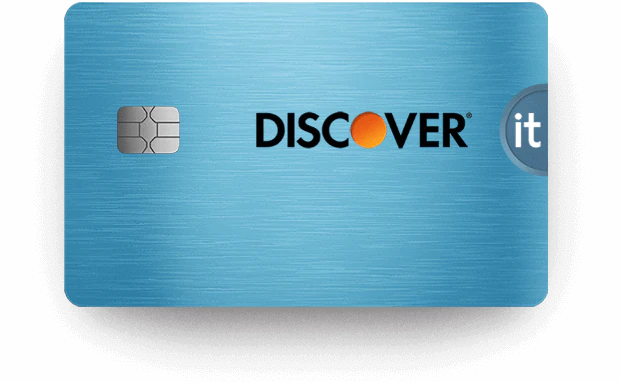
- Annual fee$0
- Welcome offerDiscover will automatically match all the cash back you’ve earned at the end of your first year, with no minimum spending requirement or maximum rewards cap
- Introductory APR0% intro APR on purchases and balance transfers for the first 15 months (variable APR applies after that)
- Purchase APRSee issuer site for current APR
- Rewards rate
- 5% cash back on everyday purchases at different places each quarter — including grocery stores, restaurants, gas stations, and more — up to the quarterly maximum
- 1% unlimited cash back on all other purchases
Why we like it:Discover it Cash Back is another card with both great ongoing rewards and a useful 0% APR for balance transfers. You’ll have a lengthy intro period to pay down your balance as long as you make your transfer and pay the 3% balance transfer fee within a given period after opening your account.
In addition to its intro APR and rotating 5% cash-back rewards, the Discover it Cash Back card also has a great welcome offer: a match on all the rewards you earn in your first year. Of course, maximizing this offer depends on earning rewards on your purchases throughout the year. If you want to take advantage of the bonus offer (and revolving bonus categories over your first year), make sure you can balance spending alongside your debt payoff plan so you don’t end up back where you started when the intro period ends. Otherwise, you may want to focus on paying down debt before making any new purchases.
Read our full Discover it Cash Back review
U.S. Bank Shield™ Visa® Card: Best for long intro period
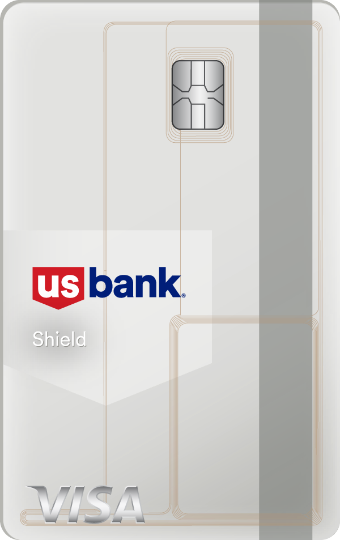
- Annual fee$0
- Introductory APR0% intro APR on purchases and eligible balance transfers for the first 24 months, after which the standard APR applies
- Purchase APRSee issuer site for current APR
- Rewards rate4% cash back on prepaid air, hotel, and car reservations booked through the U.S. Bank Travel Center
Why we like it:The U.S. Bank Shield Visa Card has the longest introductory 0% APR period we’ve found among balance transfer cards today. With this card’s extended intro period, you can focus on paying down your debt with manageable monthly payments before interest kicks in. You will need to transfer your debt within 60 days of account opening, and you’ll pay a 5% balance transfer fee ($5 minimum), which is higher than fees charged by other cards on our list.
While the U.S. Bank Shield Visa Card is primarily a 0% APR card, you can get some long-term benefits. Earn 4% cash back on prepaid airfare, hotel, and car reservations through the U.S. Bank Travel Center and get a $20 annual statement credit when you make 11 consecutive months of purchases and keep your account in good standing.
Other cards to consider
If you want a few more options, check out these cards with some of the longest 0% intro APR periods for balance transfers today:
Citi® Diamond Preferred® Credit Card
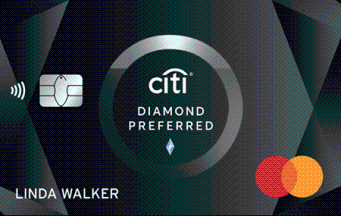
Why we like it:The Citi Diamond Preferred has one of the longest 0% APR intro periods available today as well as a competitive ongoing APR. You’ll pay a 5% ($5 minimum) balance transfer fee and you’ll need to transfer your balance within the first four months.
Wells Fargo Reflect® Visa Credit Card
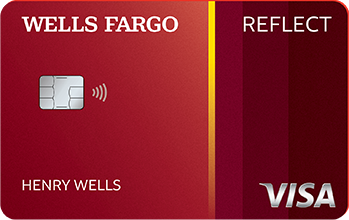
Why we like it:The Wells Fargo Reflect card has a similarly long-lasting 0% APR intro period for balance transfers. This card charges a 5% ($5 minimum) balance transfer fee and you must transfer your balance within 120 days of account opening.
Read our full review of the Wells Fargo Reflect Card
How do balance transfer credit cards work?
Credit card interest isn’t just expensive — it’s nearly as high as it’s ever been. Today’s average credit card interest rate is over 21% and just under 23% for those who carry a balance on their card.
Credit cards with a 0% intro APR for balance transfers can offer major relief for cardholders taking on these double-digit interest rates. After you transfer your balance, you’ll have several months (up to two years in some cases) to pay down your principal balance without any added interest.
You can maximize your balance transfer savings by paying your balance in full before the intro period ends. After that, any balance you still have will start to accrue interest at your card’s regular interest rate. But even if you can only pay a portion of the debt, you may still shave several months and hundreds of dollars or more from your debt payoff.
Balance transfer example
Let’s say you have a credit card balance of $6,000 today — just below the average balance for U.S. households with credit card debt, according to the Federal Reserve Bank of St. Louis. That balance is on a single credit card earning 21% APR.
Here’s what your journey to pay down debt could look like with no changes:
Minimum payments:This is by far the most costly option. Making only minimum payments, you would add over $9,000 in interest over two decades before paying your balance off in full.Total paid: $15,874
Fixed monthly payment:You can minimize costs by paying more than your monthly minimum, even if you cannot pay your balance in full. Maybe you can afford to contribute a fixed payment of $250 each month toward your debt. In this case, you’ll pay your balance in full in less than three years, but still add $1,850 to your total balance in interest.Total paid: $7,850
Now, let’s see how a balance transfer credit card could make a difference in your $6,000 debt. This card comes with an 18-month 0% introductory APR and a 3% balance transfer fee (more on that below). After the intro period, you’ll take on the same 21% APR.
Pay in full:If you can put at least $343 toward your credit card bill each month, you could wipe out your balance in full by the end of the intro period without paying any additional interest. The only payment added to your principal is the 3% fee when you transfer, equal to $180.Total paid: $6,180
Fixed monthly payment:If the amount you need to pay in full is out of your budget, you can still save with a balance transfer offer. Maybe you can afford the same $250 monthly payment as before the transfer. This will allow you to eliminate most (but not all) of your balance over the intro period. In total, you could pay your balance in full over 26 months and with about $303 in added interest and fees.Total paid: $6,303
Read more:Credit card payoff calculator
What to look for in a balance transfer card
Make sure you're considering balance transfer credit cards that match your financial goals. Here are a few details to look for:
Introductory APR:Credit cards offer introductory APRs for new cardholders, either on new purchases or balance transfers (or both). The introductory rate for many balance transfer cards is 0% over a given intro period, which can help you pay down your existing balance without interest.
Regular APR:APR stands for annual percentage rate, the percentage you get charged by your issuer when you carry a balance. This will likely be different than your intro rate. Credit cards typically have variable APRs, which means your rate goes up and down over time.
Transfer period:On some cards, balance transfers are only eligible for 0% APR offers when you transfer your balance within a given time frame: within 60 days of account opening or 4 months from account opening, for example. While it makes sense to transfer your debt as soon as possible to take advantage of the full intro period, you’ll also want to keep any time limits like this in mind, so you don’t miss out on the offer.
Issuer:You generally won’t be able to transfer a balance from one card account to another card account with the same bank. Look for balance transfer offers from different credit card issuers than the card on which you have an existing debt balance.
Annual fees:Your issuing bank might charge an annual fee for your card, though annual fees aren’t common among top balance transfer cards. If you do choose a card with an annual fee, you should make sure you’re getting enough value to offset the yearly cost.
Balance transfer fees:If you want to transfer debt to an existing balance from one credit card to another, the new card issuer often charges a balance transfer fee. This is usually a percentage of your transfer amount ranging from 3% to 5% with at least a $5 minimum.
Your credit score:Balance transfer credit cards generally require a good credit score. A credit score is a number that represents your credit health, and is based on the information in your credit report. You can request a free credit report from each of the three major credit bureaus (Equifax, Experian, and TransUnion) These reports contain your credit history, like how many credit card accounts you've had. The higher your score, the more likely you are to qualify for great loan terms and rewards credit cards in the future.
Read more:How to check your credit score
Balance transfer credit card costs and fees
A balance transfer credit card can save you money, but there are costs to consider.
Balance transfer cards often have a fee for transferring your balance which can range from 3%-5% of your overall balance, usually with a minimum of around $5 or $10. Say you want to transfer a $3,000 balance to a card with a 0% intro APR and a 3% balance transfer fee. The balance transfer would cost you $90 in total. The larger your balance, the more you’ll pay for the balance transfer. Still, balance transfer fees are only a small fraction of the interest you would otherwise pay.
Balance transfer credit card pros and cons
Consider these pros and cons before you use a balance transfer to pay off your debt.
Pros
0% introductory APR:With 0% APR balance transfer credit cards, any payments you make throughout the intro period will go directly toward your principal balance and help you pay off your debt faster.
No annual fee:The best balance transfer cards available today have no annual fee, so you don’t have to worry about any additional cost of owning the card.
Debt consolidation:If you have balances spread across multiple credit cards, you may be able to consolidate them onto a single balance transfer card. Not only can you benefit from the period of interest-free payments, but you’ll also minimize the number of individual monthly payments you need to remember. Just make sure the total transferred balance is less than your card’s credit limit.
Cons
Risk of not paying your balance off in full:You may not be able to maximize your balance transfer if you cannot prioritize your monthly payments over the intro period. These cards work best if you can commit to paying down a significant portion of your balance over the 0% APR offer. Otherwise, you’ll be left with a growing balance once again when your regular interest rate begins.
Balance transfer fees:These fees can add to your overall balance, but a 3% or 5% fee will still be far less than the amount you would otherwise accrue in interest charges.
Credit limits:Make sure you know the credit limit of your balance transfer credit card before you attempt to make your transfer. If your existing debt is more than the limit, you won’t be able to transfer the entire balance.
Learn more:What happens if you exceed your credit limit, and how to avoid doing so
3 ways to maximize your balance transfer credit card
Not only is a balance transfer credit card a great way to pay down debt, but it can also set you up for a better financial future. Here are three things you should do when you open a new balance transfer card:
1. Make the most of your introductory 0% APR
The introductory period on your balance transfer card only lasts so long. Take full advantage by transferring your balance as soon as possible after approval. If your new credit card offers an 18-month 0% APR intro period but you wait two months to make your transfer, you’ll have a shorter timeframe to actually pay down your debt.
Some balance transfer cards even require you to transfer your balance within a specific period. For example, your card agreement may specify that the 0% APR offer applies to transfers made within the first 30 days of account opening. Alternatively, you could take on a more significant balance transfer fee the longer you wait. For example, there may only be a 3% fee for balances transferred within 60 days of account opening, but a 5% fee for balances transferred after that time.
Always read the fine print of an introductory balance transfer offer before opening your account so you can avoid any surprises that may set you back.
2. Focus on debt payoff
Throughout the intro period, prioritize paying down your debt without increasing your balance with new purchases. If you’re adding to your balance throughout the 0% APR period, you’ll only leave yourself with more to pay off.
Instead, focus on buying only what you can afford to pay in full. Whether you make purchases with another credit card, use your debit card, or pay with cash, ensure you have enough money in the bank to cover your spending.
This may also help you become more aware of any spending habits that led to your debt in the first place, so you can avoid ending up in the same place again.
3. Think about the long-term
If debt payoff is your priority, long-term rewards or benefits may not be the biggest concern when choosing your balance transfer card — but they are still worth considering.
Balance transfer credit cards with the longest introductory 0% APR periods typically offer few ongoing benefits. They are designed for cardholders looking to pay off as much debt as possible over an extended period.
On the other hand, credit cards with both balance transfer offers and rewards tend to have slightly shorter intro periods of around 12 to 15 months. Even after you pay down your debt, these cards can offer long-term value on your everyday purchases. Just make sure you have a plan to avoid overspending and taking on debt again.
Related:What happens to your old credit card after a balance transfer?
Should I open a balance transfer card?
Only you can decide if opening a new account is right for you. A balance transfer credit card can help if you have high-interest debt. But you should always consider all the options that could help you pay down debt balances and know the potential risks involved. Think about these things before you make your decision:
Alternative options
A balance transfer isn’t your only option for debt payoff. Consolidating debt with a personal loan may be a better option for some people.
If your debt far exceeds the credit limit on a new balance transfer card or you need more time than 0% APR intro periods offer today, opting for a personal loan with a fixed APR lower than your current credit card could be a good solution.
Credit impact
Not only do you need good credit to qualify for a balance transfer card, but a balance transfer itself can also affect your credit.
For one, when you open any new credit card (including a balance transfer card), the required hard credit inquiry could lead to a small, temporary credit score drop. To keep multiple applications from sinking your score, only apply for cards you’re confident you’ll qualify for or get prequalified before applying.
Another potential credit impact involves your credit limit. If you transfer a debt balance that makes up nearly your entire credit line, you could increase your credit utilization ratio — the amount of credit you’re using compared to the amount you have available. This is one of the most influential factors in your credit score; the lower it is, the better. However, if you can keep up with your payments and begin to quickly bring down your balance over the intro period, you can mitigate the negative effect and balance the ratio.
Related:What to do if your credit card application is denied
Develop a plan
A good plan is the most important thing you can have before opening a balance transfer credit card.
Using your card details (length of intro period, balance transfer fee, etc.), determine precisely how much you need to pay each month to eliminate your balance in full before the 0% APR period ends. If necessary, look at your budget and spending before you apply to find areas where you can reduce spending to dedicate more toward your monthly payments.
If you can't pay off your balance completely, think about what next steps you’ll take once interest kicks in, so you can keep the remainder from growing out of your control.
And don’t forget to rethink your spending over the long term to ensure you don’t wind up with another debt balance in the future. Practicing good credit habits and spending only what you can afford is the best way to take advantage of the rewards and benefits of credit cards without paying the price tag of high interest rates.
Balance transfer FAQ
Are balance transfer credit cards worth it?
Balance transfer cards can be a savvy financial move if you're looking to tackle high-interest debt. By transferring your existing debt to a card with a 0% introductory APR, you stop accruing interest through the intro period and can make payments toward the principal balance.
However, if you can't clear the balance before the introductory period ends, you'll face the card's standard APR on the remainder. You should be confident you can make a significant difference in your balance over the intro period to make the balance transfer worth it.
What is the smartest way to do a balance transfer?
Navigating a balance transfer can be tricky; you need a solid strategy to maximize it.
First, find a balance transfer card that offers a long 0% introductory APR period. The longer this no-interest period lasts, the more time you have to pay down your balance. Once you’ve opened your new card, transfer your balance and prioritize paying more than the minimum payment each month. To truly take advantage of the 0% APR, calculate how much you must pay monthly to clear the debt before the introductory period ends. If you just stick to the minimum, you likely won’t reduce the balance by much.
Never make a late payment on your balance transfer card. One missed payment could mean losing your 0% APR and being hit with a much higher penalty APR, along with late fees. Set up autopay or reminders to ensure you never miss a due date. Also keep your spending in check and focus on paying off the debt you transferred.
Finally, don’t get caught off guard when the 0% APR period expires. If you think you won’t be able to pay off the full balance by then, start planning ahead for how you’ll continue paying down your debt.
Do balance transfers hurt your credit score?
A balance transfer can temporarily lower your credit score because it triggers a hard inquiry by the card issuer on your credit report. This is true for all new credit applications, not just balance transfer cards.
A balance transfer can also affect your credit utilization ratio, which measures how much credit you’re using (which can increase when you transfer your balance) compared to your total available credit. This is a major factor in your credit score and it’s best to keep this ratio under 30%.
The good news is that if you use practice good credit habits with your new card — by paying down your balance and avoiding more debt — your credit score will improve over time.
What credit score is typically required to get an ideal balance transfer credit card?
Like most credit cards, the higher your score is, the better your chances of getting the best available balance transfer offers with long 0% APR periods and other benefits.
In general, you’re most likely to qualify for a balance transfer card with a good-to-excellent credit score.
According to FICO, that means a score of at least 670 and up to the maximum 850 credit score. With a solid credit score (especially one closer to the “excellent” end of the range around 750 or higher), you can usually score the best balance transfer terms, a relatively lower interest rate after the intro period, and additional perks like cash-back rewards and a sign-up bonus.
Our methodology
To create our list of the best balance transfer credit cards, we start with a list of cards from major credit card issuers with 0% APR introductory periods for balance transfers. In total, this covers more than two dozen credit cards available today.
We use a weighted ranking system to evaluate these cards, giving the most priority to factors that best help cardholders pay down debt using a balance transfers. The most important factor is length of the balance transfer intro period, followed by the annual fee, ongoing APR, and balance transfer fee. Other details we consider include whether there is also a 0% APR for new purchases, whether the card offers ongoing rewards, and our own expert analysis.
The cards that make up our list of best balance transfer cards are those that score the highest within this rubric, and include a range of cards — some with longer intro periods and no rewards and others with shorter intro periods and ongoing rewards. With this broad ranking of different types of offers today, we believe anyone seeking to pay down debt using a balance transfer card can find an option from our list that fits their goals.
Editorial Disclosure: The information in this article has not been reviewed or approved by any advertiser. All opinions belong solely to the Yahoo Finance and are not those of any other entity. The details on financial products, including card rates and fees, are accurate as of the publish date. All products or services are presented without warranty. Check the bank’s website for the most current information. This site doesn't include all currently available offers. Credit score alone does not guarantee or imply approval for any financial product.





Comments